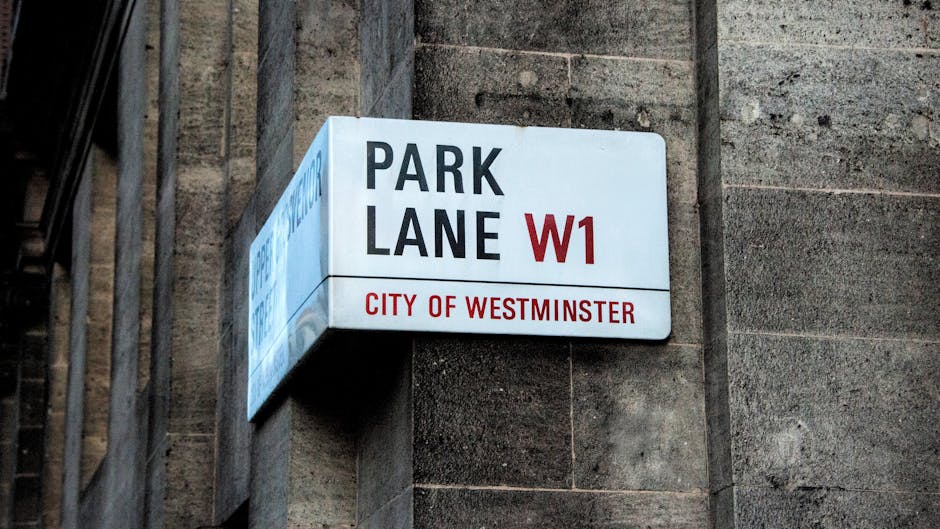
Skip and waste rules in Paddington: what Westminster enforces
Posted on 22/06/2026
Skip and Waste Rules in Paddington: What Westminster Enforces
If you are planning a clear-out, a refurbishment, or a move in Paddington, the skip and waste rules can bite faster than most people expect. Westminster enforcement is not something to leave until the last minute. A skip in the wrong place, waste left out too long, or rubbish handled without the right checks can turn a simple job into a messy headache, and nobody needs that on a busy London street.
This guide explains skip and waste rules in Paddington: what Westminster enforces, how the basics work, what usually goes wrong, and how to stay on the right side of local expectations without overcomplicating things. You will also find a practical checklist, a comparison of disposal options, and a realistic example from a typical Paddington move. If you are juggling boxes, parking, and building access already, this should make the waste side feel a lot less slippery.

Why Skip and waste rules in Paddington: what Westminster enforces Matters
Paddington is a dense, lived-in part of Westminster. That means narrow streets, limited kerb space, shared access, quick turnover of parking bays, and a constant flow of deliveries, removals and building works. In that kind of environment, waste is never just "waste"; it is a public-space issue, a safety issue, and often a neighbour-relations issue too.
Westminster enforcement matters because waste left out incorrectly can obstruct pavements, attract complaints, and create hazards for pedestrians, cyclists, and other road users. A skip can be useful, but only when it is placed, used, and removed properly. Even simple oversights, like overfilling a skip or leaving rubble loose around it, can create enforcement problems. To be fair, most people do not mean to get it wrong. They are just busy.
For residents, landlords, letting agents, builders and removals customers, the practical message is simple: waste management in Paddington is part of the move or project itself, not a side task. If you ignore it, you may spend more time dealing with a penalty, complaint, or last-minute uplift than you would have spent doing it properly in the first place.
There is also a wider neighbourhood angle. Good waste handling keeps streets cleaner, supports recycling, and helps shared buildings remain pleasant to live in. If you are already thinking about the logistics of a move, this sits alongside parking, access, and timing. Articles like W2 postcode moves, cost and parking tips for Paddington shifts and how to dispose bulky waste during a Paddington move are useful companions because waste and transport usually get tangled together.
How Skip and waste rules in Paddington: what Westminster enforces Works
In plain English, Westminster wants waste to be contained, properly disposed of, and not left to create avoidable disruption. The exact route depends on the type of waste and where the skip or rubbish is being placed. The rules can vary depending on whether the material is domestic, commercial, mixed, bulky, recyclable or potentially hazardous. That is where people often get caught out.
Here is the general pattern you should expect:
- Skip placement matters. If a skip goes on public highway space, there are usually extra conditions around permissions, safety markings, and how long it can stay there.
- Waste type matters. General household items, furniture, rubble, plasterboard, garden waste and renovation waste are not all treated the same.
- Containment matters. Loose debris, overflowing loads, or sharp items exposed at the top can trigger problems quickly.
- Timing matters. A skip or pile of waste left out for too long can become an issue even if it started out acceptable.
- Traceability matters. For larger projects or commercial clearances, you should be able to show that waste was handled responsibly.
Paddington adds a layer of complexity because of the built environment. You may be dealing with shared entrances, concierge rules, conservation-style streets, basement access, or limited lift availability. A skip on paper sounds straightforward. In practice, it can become a small choreography exercise with neighbours, tradespeople and vehicles all needing room to breathe.
Many households do not need a full skip at all. For smaller jobs, a man and van collection can be a cleaner fit, especially when space is tight. If that sounds like your situation, the service pages for man and van Paddington and removal van Paddington are relevant because they are often chosen instead of a roadside skip when access is awkward or waste volume is moderate.
Key Benefits and Practical Advantages
Following Westminster's expectations is not just about avoiding trouble. It can genuinely make the whole project smoother.
- Fewer delays: When waste is planned properly, your move, refurb or clear-out is less likely to stall halfway through.
- Less stress: You are not improvising with bags, broken furniture, or mystery rubble at the end of the day.
- Better neighbour relations: Nobody likes a hallway that smells of old carpet and damp cardboard for three days.
- Safer site conditions: Clear walkways reduce trip risks and make loading easier.
- Cleaner recycling outcomes: Separating materials properly can improve what gets reused or recycled.
- Lower enforcement risk: That is the obvious one, but still worth saying out loud.
There is also a practical, less obvious benefit: proper waste planning forces you to sort items before the chaos starts. That helps you spot what can be donated, reused, repaired or packed separately. In a Paddington flat, where every square metre counts, that sort of clarity is worth its weight in gold.
Expert summary: The easiest way to stay compliant is to treat waste planning as part of the move plan, not a separate chore. Decide what is being removed, how much of it is recyclable, where it will be stored temporarily, and whether the street or building has any access restrictions. A little structure goes a long way.
Who This Is For and When It Makes Sense
These rules matter to a wider group than you might think. Not just builders with a skip in the road. Not by a long shot.
- Homeowners clearing out after a renovation or sale
- Tenants leaving a flat and dealing with accumulated furniture or packaging
- Landlords and letting agents arranging end-of-tenancy clearances
- Small businesses replacing stock, desks, shelving or office fit-out waste
- Contractors and tradespeople managing renovation debris
- People moving locally who need bulky waste removed before handover
It makes sense whenever the amount of waste is too much for ordinary bins, but not necessarily so much that you need heavy construction logistics. That middle ground is where people hesitate. Do you hire a skip? Book a van collection? Wait for the last minute and hope for the best? Usually, that last one is the weakest plan. It sounds obvious, yet it happens constantly.
If your project is linked to a move, it may also be useful to review other local moving considerations, especially if you are handling awkward items or tight timing. Our guides on studio move on Sussex Gardens and Paddington removals on Praed Street are helpful for understanding how space and access shape the job.
Step-by-Step Guidance
If you want a simple way to approach skip and waste compliance in Paddington, use this sequence.
- Sort the waste early. Separate bulky items, general rubbish, recyclable materials and anything that may need special handling.
- Check access and location. Decide whether the waste will sit inside private property, in a forecourt, or on the public highway. That changes the risk level immediately.
- Estimate the volume honestly. People regularly underestimate how much space old furniture, broken shelving and bags of mixed waste take up. A single sofa can change the maths.
- Choose the removal method. For some jobs a skip is sensible, for others a van collection or phased disposal works better.
- Plan the timing. Think about lift bookings, parking restrictions, neighbours, and the day the waste needs to go.
- Keep the site tidy. Stack items neatly, avoid loose sharps, and do not let waste spread into shared areas.
- Document anything commercial. For business clear-outs, retain records and make sure the route looks responsible.
- Do a final sweep. Small bits of packaging and dust often get left behind. They matter more than people think.
A useful way to judge the plan is to ask: if someone else saw this arrangement for ten seconds, would it look controlled? If the answer is no, the setup probably needs work.
Expert Tips for Better Results
In our experience, the best waste jobs in Paddington are the boring ones. That sounds dull, but it is true. Nothing dramatic happens because everything was sorted, booked, and communicated properly.
- Use labels on stacked items. "Keep", "skip", "recycle", and "donate" are simple, but they save confusion later.
- Take photos before disposal. This is especially handy if you are managing a tenancy handover or a shared-building project.
- Book earlier than you think. Access windows in central London get eaten up quickly.
- Protect shared surfaces. Hallways, stairwells and thresholds can take a beating during a rush job.
- Keep heavy waste low and stable. Loose stacking looks untidy and can become unsafe.
- Ask about mixed loads. Mixed waste is convenient, but it is not always the cheapest or cleanest option.
One small but important tip: if your waste includes oddly shaped or fragile items, handle them as if they will snag, slip or crack. That sounds cautious because it should be. A snapped drawer unit in a narrow corridor is the sort of thing that turns a calm morning into a bit of a circus.
For more context on handling difficult removals, especially when items are delicate or awkwardly sized, see moving fragile antiques from Paddington flats without damage and furniture removals London.
Common Mistakes to Avoid
The same errors come up again and again. Luckily, they are avoidable.
- Assuming a skip can go anywhere. Public-space placement is where many problems begin.
- Overfilling the container. An overloaded skip is harder to move and more likely to cause issues.
- Mixing problem materials carelessly. Some waste types need separation or special handling.
- Blocking pavements or entrances. This creates complaints fast, especially in shared buildings.
- Leaving waste out overnight without a plan. The longer waste sits, the more exposed it becomes to complaints or fly-tipping risk.
- Ignoring building rules. Westminster rules are one thing; leasehold, landlord or concierge rules may be another.
- Forgetting post-move clean-up. Small debris and packaging often trigger the most frustration because they feel avoidable.
There is also a timing mistake people make when they are exhausted: they put the rubbish side of the job off until the end, then discover they have no lift access left, the van has gone, and the street is full. That is a classic London moment. Not a good one.
Tools, Resources and Recommendations
You do not need a complex toolkit to manage waste well, but a few basic things help a lot.
- Heavy-duty sacks and boxes for sorting loose rubbish and mixed packing waste
- Labels or marker pens for separating items clearly
- Gloves for handling broken packaging, screws, nails and sharp edges
- Tape and covers for keeping dust or loose fragments contained
- Measuring tape so you can estimate the waste volume more accurately
- Phone camera to record the state of the property before and after the clear-out
For readers combining waste disposal with a move, a sensible starting point is our broader service information at removal services Paddington and services overview. If you are comparing options, removal companies Paddington can also help you think through what level of support is actually necessary.
You may also want to look at practical support for packing and staging, especially if waste is being cleared alongside belongings. The pages on packing and boxes London and home removals Paddington are relevant if your project is broader than a single waste collection.
Law, Compliance, Standards, or Best Practice
Waste handling in Paddington sits within wider UK expectations around responsible disposal, nuisance prevention, and public safety. In practical terms, that means you should not dump material, leave it in a way that obstructs others, or pass responsibility around loosely. Westminster enforcement can involve local rules, permit conditions, and penalties where behaviour crosses the line, but the safe approach is not to rely on the minimum. Use best practice instead.
Best practice usually includes:
- Using the right container for the waste type and volume
- Keeping the public realm clear where possible
- Separating recyclable and non-recyclable material where practical
- Preventing waste escape from wind, rain, or careless loading
- Arranging prompt uplift once the waste is ready
- Keeping records for larger or commercial jobs
For business users, keeping an auditable paper trail is sensible. For householders, the key issue is usually whether the job is tidy, lawful, and not causing obstruction. Simple? Mostly. Easy? Not always, especially in older Paddington buildings where stairwells are tight and loading spots are limited.
If compliance and handling standards matter to you, it is worth reviewing wider operational pages such as health and safety policy, insurance and safety, and recycling and sustainability.
Options, Methods, or Comparison Table
There is no single right answer for every job. The best option depends on access, volume, timing and how mixed the material is. Here is a practical comparison.
| Method | Best for | Pros | Trade-offs |
|---|---|---|---|
| Skip hire | Larger renovation waste, longer projects, heavier materials | High capacity, convenient for staged works, simple once placed | Needs space, may require permissions, can be awkward in tight streets |
| Van collection | Moderate household clear-outs and bulky items | Flexible, often better for narrow access, quick turnaround | Less ideal for very heavy rubble or very large volumes |
| Phased disposal | Moves, decluttering, tenant clearances | Reduces clutter, easier to sort, manageable for flats | Takes more planning and a bit more discipline |
| Mixed-load removal | Jobs with varied items and limited space | Convenient when items are awkward or numerous | May cost more than fully separated loads |
For many Paddington residents, the most realistic choice is not the biggest container. It is the one that fits the street, the building, and the day you actually have available. That sounds obvious, but sometimes the obvious bit is the part people skip.
Case Study or Real-World Example
Imagine a one-bedroom flat near a busy Paddington street. The tenant is moving out on a Friday. The flat contains a broken bookcase, old bedding, flattened boxes, a chair with a damaged leg, and a few bags of mixed household rubbish. At first glance, a skip seems like the answer. But the street is tight, parking is limited, and the building only has a narrow loading window.
Instead of forcing the skip idea, the tenant sorts items the night before, separates recyclables, and keeps only the bulky furniture for collection. The waste is loaded in one controlled visit, the hallway is left clean, and the handover happens without a panic. No one is wrestling cardboard at 10 p.m., which is always a small win.
What made the difference? Three things: choosing the right method, keeping access realistic, and not treating waste as an afterthought. That is the whole game in a nutshell. The job was not glamorous, but it was handled properly, and that is what counts.
Practical Checklist
Use this checklist before you arrange skip hire or any waste collection in Paddington:
- Have I identified all waste types?
- Do I know whether the waste will sit on private or public space?
- Have I checked access for lorries, vans, lifts and stairwells?
- Have I separated recyclables from general waste where practical?
- Is any item sharp, heavy, dusty or fragile?
- Have I thought about timing, neighbours and building rules?
- Do I know who is responsible for the uplift and final tidy?
- Is the disposal method suitable for the volume involved?
- Have I planned for any bulky items that need extra handling?
- Have I left enough time to do the job properly?
Quick takeaway: if you can answer these questions confidently, you are probably in good shape. If several answers are "not yet", pause and sort the plan before anything hits the pavement.
For local moving jobs where waste, packing and access all overlap, a helpful next step is to review same day removals London if your timing is tight, or pricing and quotes if you need to weigh up support options.
Conclusion
Skip and waste rules in Paddington are really about common sense, but in a Westminster setting common sense has to be backed by proper planning. That means choosing the right disposal method, respecting shared spaces, keeping materials contained, and not assuming the street will forgive a half-finished clear-out. In a busy part of London, tidy waste handling is part of good neighbourly behaviour as much as it is compliance.
If you are moving, refurbishing, or simply clearing clutter from a Paddington property, the easiest path is usually the one with a bit of structure: sort early, plan access, avoid overloading, and leave yourself more time than you think you need. It really does help.
Get a free quote today and see how much you can save.
And if you do it properly, you will feel the difference straight away: a cleaner space, a calmer move, and one less thing hanging over your head. That is worth a lot, honestly.