Moving fragile antiques from Paddington flats without damage
Paddington flats can be charming, but they are rarely the easiest places to move delicate pieces out of. Narrow stairwells, awkward turns, older lift systems that seem to have a personality of their own, and tight London parking can turn a simple move into a nerve-racking one. If you are moving fragile antiques from Paddington flats without damage, the trick is not brute force. It is preparation, good packing, calm handling, and knowing when to bring in the right help.
Antique mirrors, porcelain, oil paintings, carved side tables, clocks, glass cabinets, and heirloom lamps all need a different level of care. One rushed lift, one badly packed corner, one bump against a bannister, and that "minor move" suddenly becomes expensive and upsetting. This guide walks you through the process in a clear, practical way so you can protect the item, protect the property, and keep your own stress level somewhere sensible.
For readers planning a broader flat move too, it may help to look at our flat removals service and the wider Paddington removal services overview while you plan the logistics.
Table of Contents
- Why this matters
- How the moving process works
- Key benefits and practical advantages
- Who needs this approach
- Step-by-step guidance
- Expert tips for better results
- Common mistakes to avoid
- Tools, resources and recommendations
- Law, compliance, standards and best practice
- Options and comparison table
- Case study
- Practical checklist
- Conclusion
- Frequently asked questions
Why Moving fragile antiques from Paddington flats without damage Matters
Antiques are not just "old furniture". They are often irreplaceable, or at least hard to replace without losing the character, patina, and provenance that make them valuable in the first place. A scratch on a lacquered cabinet can be repaired. A cracked porcelain figure or a shattered mirror, less so. Some damage is obvious immediately; other damage only shows up later, like weakened joints, hairline cracks, or warped frames after a damp journey.
Paddington adds its own layer of difficulty. Many flats in the area involve compact hallways, shared entrances, basement steps, or upper floors where every turn matters. That means the risk is not only from the van journey, but also from the building itself. You are moving through a space that was not designed with long, delicate, awkward objects in mind. Let's face it, a Georgian sideboard does not enjoy a spiral staircase.
There is also the emotional side. People often underestimate how much calm comes from knowing a family piece is being handled properly. When a moving day starts with careful wrapping and measured lifting, everything feels more controlled. That matters, especially if you are already juggling notice periods, keys, cleaning, and parking headaches. If you are also comparing wider moving options, a look at removal companies in Paddington can help you judge what level of service is realistic for fragile items.
Expert summary: Antiques fail most often at the points where planning is weakest: poor packing, too few hands, rushed stair movement, and the wrong vehicle setup. Protect those four areas and you avoid most avoidable damage.
How Moving fragile antiques from Paddington flats without damage Works
A safe antique move follows a simple idea: reduce movement, reduce impact, and reduce pressure on vulnerable surfaces. That sounds basic, but in practice it means thinking through each stage before the item is lifted.
First comes assessment. What is the item made of? Is it solid wood, veneer, marble, glass, gilt frame, ceramic, or a mix of materials? Does it have loose handles, removable shelves, protruding legs, or decorative parts that can catch on door frames? The answers decide how it should be wrapped and carried. A china cabinet and a brass lamp need different protection. Obvious, perhaps, but this is where people often go wrong.
Next is preparation. Good movers will clear a route from room to door, measure awkward gaps, protect floors and corners, and prepare wrapping materials before they touch the item. In flats, that route planning is half the job. A moment spent opening a wider door, removing a shelf, or choosing a safer exit can save a disaster later.
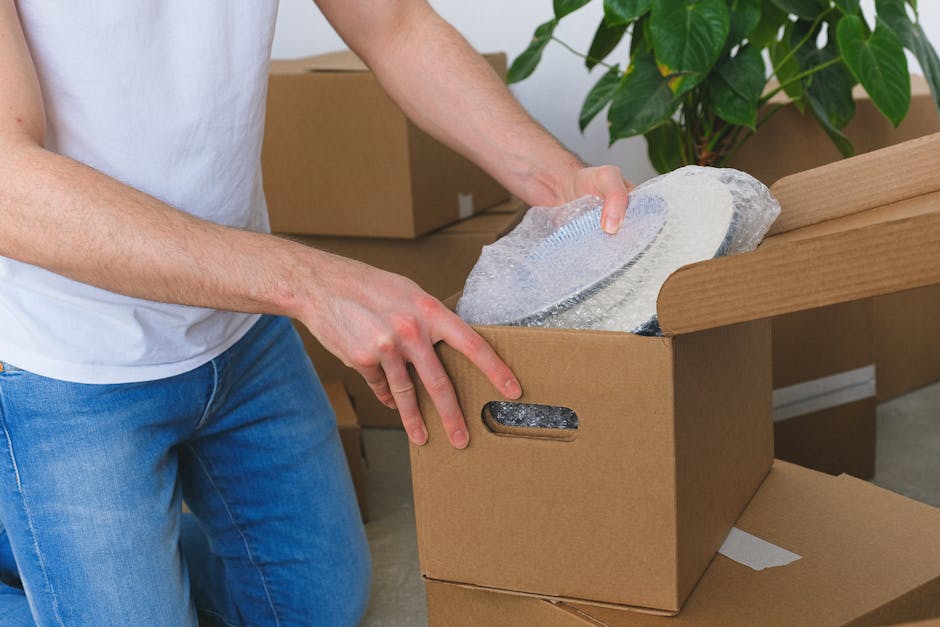
Then comes packing. You want each fragile surface cushioned, edges reinforced, and the item held snugly enough that it cannot shift inside the wrap. For especially delicate pieces, double boxing or custom crating may be sensible. If you are packing some of the smaller supporting materials yourself, the packing and boxes London page is a useful place to understand what a professional packing setup can include.
Finally comes transport and unloading. This is where timing matters. The van should be positioned to reduce carrying distance where possible, and the crew should lift with control rather than speed. Gentle does not mean slow for the sake of it; it means deliberate. No swinging, no last-second turning, no "it'll fit if we just tilt it a bit more". That sentence causes trouble.
Key Benefits and Practical Advantages
Doing this properly pays off in ways that are both obvious and slightly less obvious.
- Less risk of damage: Better wrapping, carrying, and loading means fewer chips, dents, and scrapes.
- Lower stress on moving day: When everyone knows the plan, the day feels calmer and more controlled.
- Better preservation of value: For antiques, original condition matters. Even small damage can reduce value or appeal.
- Safer handling in tight flats: Paddington properties often have narrow layouts, so planning protects both the item and the walls.
- Fewer delays: A measured move is usually quicker than one that stops and starts because of avoidable problems.
There is another benefit that people do not always mention: confidence. Once the hardest or most sentimental piece is safely loaded, the rest of the move suddenly feels manageable. Truth be told, that mental shift is worth a lot. If your move also involves bulky pieces or mixed furniture, you may want to review furniture removals in London for a broader view of handling heavier household items.
Who This Is For and When It Makes Sense
This approach is for anyone moving antique or fragile items from a flat where the physical environment is less than forgiving. That includes owner-occupiers, long-term renters, landlords clearing a furnished unit, and families helping an older relative move treasured possessions.
It also makes sense when the item is valuable but not necessarily "museum quality". A sentimental dresser, a grandfather clock, a mirrored console, or a mid-century chair with delicate legs can be just as important to protect as a formally valuable antique. In many real moves, the emotional value is the bigger issue anyway.
It is especially useful if:
- the item is heavy and fragile at the same time;
- the flat has stairs, tight corners, or a small lift;
- the item has glass, mirror panels, marble, ceramic, or thin veneer;
- the move is in or around a busy Paddington street with limited parking;
- you are moving more than one fragile item and need a coordinated plan.
If your move is part of a full household move rather than a single-item job, services such as home removals in Paddington or even a smaller vehicle option like removal van Paddington may be more appropriate depending on scale.
Step-by-Step Guidance
1. Identify every fragile piece before packing starts
Walk through the flat and list every item that needs special handling. Do not just think of the obvious display cabinet. Include frames, lamps, mirrors, ceramics, loose shelves, carved ornaments, and anything with old joints or delicate finishes. A quick inventory helps you decide what needs special wrapping, what needs boxes, and what needs to travel upright.
2. Measure the item and the route
Measure the height, width, and depth of the antique, then check key pinch points: doorway width, hallway turns, stair widths, lift dimensions, and the radius around banisters. If you know a piece is awkward, you can plan the angle of movement before the first lift. That is a small thing, but it saves a lot of fumbling in the corridor.
3. Prepare the flat before touching the antique
Clear rugs, shoes, lamps, plant pots, and loose clutter from the route. Cover floors if needed. Hold doors open safely. If your building has shared areas, be mindful of neighbours and avoid blocking the landing for too long. This is Paddington, after all; people are coming and going, and nobody enjoys a bottleneck at 8:15 on a weekday morning.
4. Wrap according to material, not habit
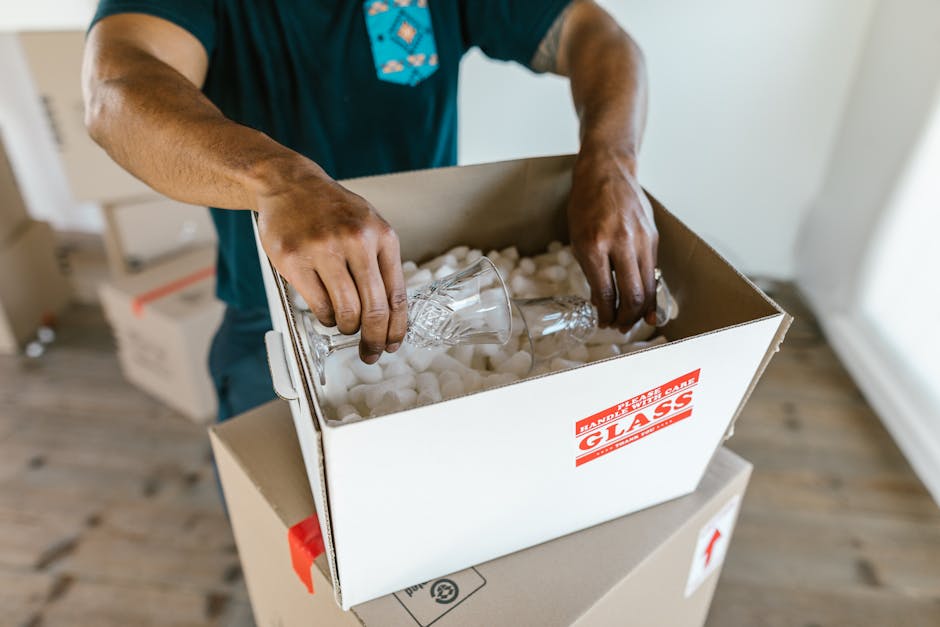
Use the right protection for the item rather than wrapping everything in the same way. Glass and mirror surfaces need soft cushioning and rigid support. Wooden antiques often benefit from breathable padding and corner protection. Painted or lacquered surfaces should not be taped directly. If you are not certain what a finish will tolerate, avoid sticky contact on the item itself.
5. Disassemble only what is genuinely safe to remove
Remove shelves, detachable legs, drawers, or ornaments only if it can be done without stressing the piece. Keep fittings together in labelled bags. Do not force old screws or brittle joints. Sometimes leaving an item intact is safer than "helping" it apart. This is where a little restraint goes a long way.
6. Load with weight and fragility in mind
Heavier items should be placed so they do not press on delicate sections. Fragile antiques should not be trapped under boxes or wedged against hard edges. The item should be secured so it cannot slide or rattle as the van moves. Padding and restraint matter more than speed here.
7. Unload slowly and inspect immediately
Once the item reaches its destination, inspect it before the crew moves on. Look for fresh chips, loosened joints, crushed corners, or scratches hidden under wrapping. If something needs adjustment, it is far easier to deal with it at the end of the move than two days later when everything has been unpacked and the memory is hazy.
Expert Tips for Better Results
After years of seeing what helps and what causes hassle, a few habits stand out.
- Use double handling for awkward pieces. If an item is tall, heavy, or top-heavy, one person should guide while another lifts. Four hands can be better than two, even if it feels like overkill.
- Protect the building too. Corner guards, floor runners, and blanket wraps around bannisters prevent accidental scuffs and keep the move smoother.
- Keep antiques upright where possible. Mirrors, framed art, clocks, and glass-fronted items usually fare better upright unless the item design demands another position.
- Label fragile items clearly but calmly. Big shouting labels are not magic, but they help everyone stay alert.
- Use proper vehicle restraint. Straps, blankets, and load positioning are not optional extras. They are what stops vibration damage during transport.
- Plan the move for quieter hours if possible. Less corridor traffic and fewer parking conflicts make the whole job smoother.
A small practical point: if you are moving in or around the W2 area, parking and access can be the part that trips people up more than the packing itself. Our W2 postcode moves guide can give you useful context on that side of the day.
Common Mistakes to Avoid
Most damage is not dramatic. It happens in small moments. A few common mistakes are worth calling out plainly.
- Using too little padding: Items should not knock against box walls or wrapping layers.
- Wrapping finishes too tightly: Very tight wraps can stress veneer, loose joints, or decorative detailing.
- Dragging items across floors: Even a short drag can damage both the antique and the flooring.
- Ignoring the route: You can pack perfectly and still damage the item on a badly judged stair turn.
- Loading by guesswork: A van can look spacious until a long mirror and a chest of drawers are both involved.
- Leaving everything to the last minute: Antiques do not respond well to rushed energy. Not at all.
One slightly cheeky truth: if a piece makes you think, "I hope this will be fine," that is usually the moment to slow down and add more protection. Your gut is often right there.
Tools, Resources and Recommendations
You do not need a warehouse of kit, but the right materials make a serious difference. For antique moves, the basics should be chosen with care:
- double-walled boxes for smaller fragile items;
- acid-free paper for wrapping surfaces where appropriate;
- moving blankets for cushioned protection;
- foam corner guards;
- bubble wrap used thoughtfully, not as a one-size-fits-all solution;
- straps and load restraints in the van;
- labels and bags for screws, handles, and small fittings;
- floor protection and door protection for tight flat access.
For larger or especially valuable items, a service with experience in delicate handling is worth considering. You may also find the services overview helpful if you are deciding between partial help and a fuller moving package. If the move is urgent, a same-day arrangement may be possible, and it is sensible to check the same-day removals London option early rather than leaving it until the last minute.
If security, handling, and peace of mind are high on your list, it is also worth reading the insurance and safety information before you book anything. That sort of detail is not glamorous, but it matters when the item has real value.
Law, Compliance, Standards and Best Practice
When antiques are being moved, the main focus is usually safety, care, and reasonable handling practice rather than heavy legal complexity. Still, there are a few sensible standards to keep in mind.
First, movers should act with reasonable care for your goods and for the building. In practical terms, that means not forcing items through a space where damage is foreseeable, using suitable equipment, and handling items in a way consistent with their fragility. If you are using a professional service, make sure you understand what is covered, what is excluded, and how claims are handled. The details matter.
Second, if the item is especially valuable or irreplaceable, ask about insurance arrangements before moving day. Not after. It is much better to clarify this while the move is still being planned. You should also be comfortable with the mover's terms and conditions, because that is where the practical limits of service are normally set out.
Third, for larger moves in shared buildings, best practice includes protecting communal areas, maintaining access, and working in a way that reduces risk to neighbours and the property. That is not just polite; it is part of professional conduct.
If you are comparing moving providers, it can also help to review the company background on the about us page and the complaints procedure, because transparent handling is a good sign when valuables are involved.
Options, Methods, or Comparison Table
Not every antique move needs the same level of service. The right method depends on value, fragility, access, and how much risk you are willing to take on yourself.
| Method | Best for | Strengths | Limitations |
|---|---|---|---|
| Self-move with basic packing | Very small, less valuable fragile items | Lower immediate cost, full control | Higher risk if you lack experience or the flat has awkward access |
| Assisted move with van and loading help | Single antiques or mixed furniture moves | Good balance of support and flexibility | Still depends on correct packing and clear instructions |
| Full removal service | Multiple fragile antiques or whole flat moves | Best for coordination, loading, and route planning | Usually costs more than a small helper-only job |
| Specialist handling for delicate items | High-value, oversized, or unusually fragile pieces | Most careful option for difficult items | May require extra planning and more lead time |
For many Paddington flats, the assisted or full-service approach is the sweet spot. It gives you proper handling without turning the move into a giant production. And if the item is especially awkward, you may want a service with experience in specialist items such as piano removals London, because the same principles of careful routing, lifting, and protection often apply.
Case Study or Real-World Example
A common Paddington scenario goes like this. A couple in a second-floor flat near Sussex Gardens needs to move a 19th-century mirror, a slim mahogany console, and two boxed porcelain lamps into a new place across town. The mirror is tall, the hallway is tight, and the lift is small enough to feel like a dare.
Instead of trying to rush it, they measure the mirror first, then check the stairwell and door widths. The movers protect the frame edges, wrap the glass separately, and plan a two-person carry through the narrow landing. The console has loose decorative feet, so those are padded and secured. The lamps are packed upright in separate boxes, not wedged together with heavier household items. Simple decisions, really, but they save a lot.
What made the move go well was not some magic technique. It was the decision to treat each piece as if it had its own plan. By the time everything reached the van, the crew had already solved most of the problems. That is usually how good moves feel: slightly uneventful, which is exactly what you want.
For readers moving around Paddington itself, local access details can matter as much as packing quality. If you are interested in how the area affects moving logistics and property layouts, the article on Paddington removals on Praed Street gives useful local context.
Practical Checklist
Use this checklist before the move starts. It keeps the day from becoming a scramble.
- List every fragile antique and note its material.
- Measure each item and the tightest access points.
- Clear the route through the flat and building.
- Gather the right packing materials in advance.
- Label small parts, fittings, and accessories.
- Decide which items need specialist handling.
- Confirm parking, van access, and loading distance.
- Check insurance and service terms before moving day.
- Protect floors, doors, and corners in the flat.
- Inspect each antique immediately after unloading.
Quick takeaway: If you prepare the route, pack by material, and load with restraint, you remove most of the risk from the move.
Conclusion
Moving fragile antiques from a Paddington flat is completely manageable when the process is treated with care rather than speed. The flat layout, the item's material, the quality of packing, and the way it is carried all matter. Miss one part and the whole job becomes harder than it needs to be. Get the basics right, though, and even a delicate move can feel orderly.
The real goal is simple: keep the item safe, keep the building safe, and keep yourself from having to say, "I knew that corner looked tight." With a calm plan, the right materials, and sensible help where needed, you can protect both the antiques and the memories attached to them.
If you are still deciding how much help you need, comparing service levels early is the wisest move. And if you want a straightforward next step, the team information in the site's service pages can help you narrow things down without guesswork.
Get a free quote today and see how much you can save.
Frequently Asked Questions
How do you move fragile antiques from a flat without breaking them?
Start by measuring the item and the route out of the flat, then wrap the antique according to its material and shape. Use proper padding, keep the piece secure inside the vehicle, and move it slowly through tight areas. The biggest risks are usually the corners, stairs, and loading stage.
Do I need specialist packing for antique furniture?
Not every antique needs a museum-style crate, but many do need more than standard moving boxes. Delicate finishes, glass panels, carved edges, and old joints all benefit from tailored packing. If the item is valuable or awkward, specialist packing is usually worth it.
Can fragile antiques be moved in a regular removals van?
Yes, provided the van is clean, well padded, and properly loaded. The issue is not the vehicle alone but how the item is secured inside it. Blankets, straps, and sensible placement matter a lot. A van with the wrong loading setup can still cause damage.
What is the safest way to move mirrors and framed art?
Keep them upright where possible, protect the corners, and prevent movement inside the wrap. Mirrors and frames are vulnerable to pressure and twisting, so they should never be loosely stacked with heavy boxes. A rigid layer of support helps too.
How far in advance should I plan an antique move in Paddington?
For a single delicate item, a little lead time is still wise because access and parking can affect the job. For several antiques or a full flat move, planning several days ahead is much safer. That gives you time to measure routes, arrange packing, and confirm support.
Should I dismantle antique furniture before moving it?
Only if the piece is designed to come apart safely. Old joints, brittle screws, and decorative details can be damaged by overzealous dismantling. If a piece is structurally fragile, leaving it intact is often the better choice.
What damages antiques most during a flat move?
In practice, the most common damage comes from impact during corner turns, poor packing, and movement inside the van. Scratches, crushed edges, loose joints, and cracked glass are typical problems. Rushing is usually the hidden culprit.
Is it worth hiring movers just for one antique?
If the item is valuable, sentimental, heavy, or hard to get out of the flat, yes, it can be worth it. One expensive mistake can cost far more than the help. For lighter, less valuable pieces, you may decide a smaller assisted move is enough.
How do I know if my antique is too fragile to move myself?
If the item has loose components, thin legs, glass, mirror panels, chipped edges, or visible instability, treat it as high risk. If you would be anxious carrying it down stairs, that is usually a good sign to get help. Honestly, that instinct is useful.
What should I ask a removals company before booking?
Ask how they handle fragile items, what packing materials they use, whether they can manage difficult access, and how insurance or liability is dealt with. It is also sensible to ask who will be handling the item and whether any special preparation is needed on your side.
Can antiques be moved on the same day if needed?
Sometimes, yes, but same-day work is best reserved for situations where the item is ready to go and the access is straightforward. If packing or route planning is still uncertain, same-day moving can become stressful. It is better to confirm details early where possible.
What is the best way to protect a flat's walls and floors during the move?
Use floor protection, corner guards, and careful route planning. In Paddington flats, that extra protection is often what keeps the move clean and avoids awkward damage claims. It also makes the whole process feel more professional and less chaotic.
Where can I find help with broader Paddington moving logistics?
If your antique move is part of a bigger flat relocation, it helps to review the movers London page and the pricing and quotes information so you can compare your options with a realistic budget in mind.